


Thesis Composition and Apprehensive Thoughts
 Filed under:
  HE potential AUT strike is keeping everyone occupied, so I have embarked on final persistent push to write and complete my thesis. This began on the 2nd of the month and it primarily involve piecing together some past publications, elaborating where suitable, and glueing them sensibly.
 When I first joined this scene of academic research, I was somewhat surprised to reveal that genuine and original content (as opposed to gross re-use) is not only perceived as acceptable; it is sometimes encouraged, as a matter of fact. I was truly disappointed to come to grips with this mentality, wherein peers say that good text should better remain unchanged and in most cases evolve or have some fine, cosmethic changes applied. If further progress is made, it can be appended to the existing text. This robs many people out of artistic integrity, in my humble opinion. It also leads to duplication and repeatability, which can make us feel like parrots.


 OME “dreadful deadline”, which I mentioned in
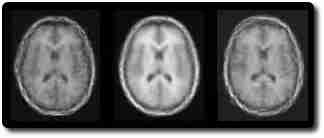
  E are currently working on a paper which we believe can be included in the high-status journal. That journal is widely known as IEEE Transactions on Medical Imaging. This will, as a matter of fact, be a revised submission and it will hopefully make it into this publication with an impact factor of 4 (very high). This paper submission was mentioned
 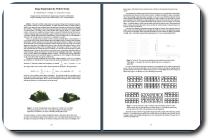 So what is so dreadful about this particular submission deadline? Well, for a start, I have stayed awake for 24 hours straight yesterday. Then, I slept for just 4 hours and I expect the rest of the today to be rather similar to yesterday. I rarely let pressure and nervousness get to me, yet sometimes it inevitably happens, especially when peers are involved.
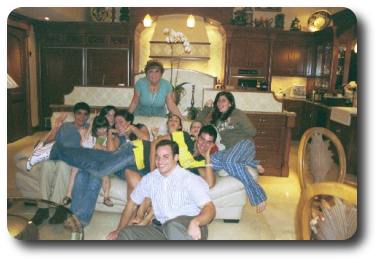
 returned from a long vacation yesterday morning. It will take me a while to catch up with the workload and then resume a stable blogging pace. For the mean time, here are a couple photos from my stay at my cousin’s house in North Miami Beach.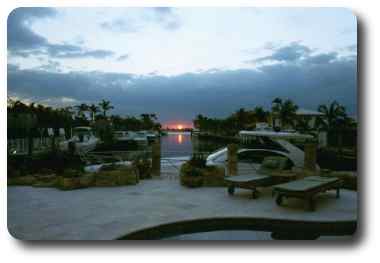

 ATER this evening I shall attend a lecture, which will be delivered by an honourable guest:
