


Filling Up Wembley When Over 200,000 Brits Contract COVID-19 Every Week Sends the Wrong Message About Public Safety
 Filed under:
 Filling up streets and even a densely-populated stadium at this time is a really awful idea

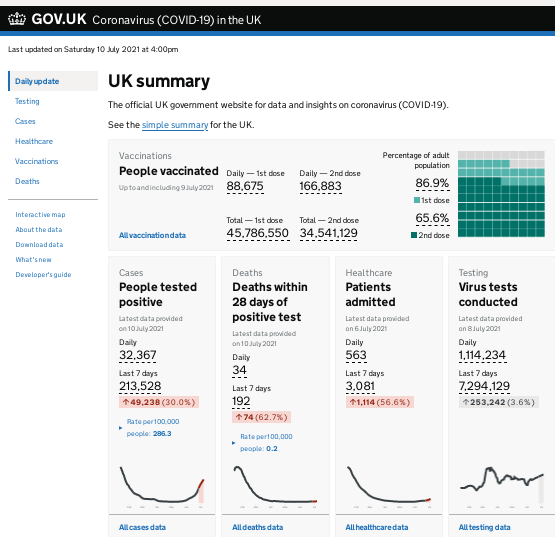
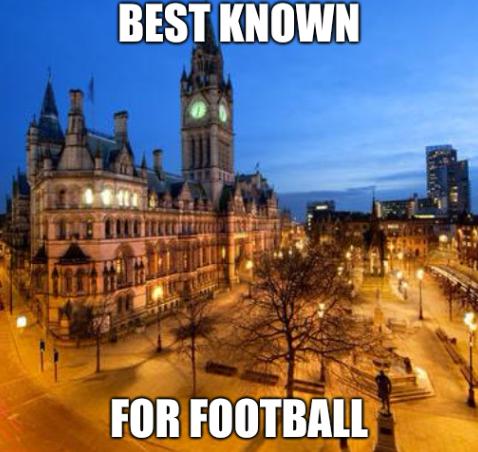
 S I noted the other day, amid COVID-19 surge we’re meant to think that winning Euro 2020 is more important than winning against the virus. I went to town (Manchester) thrice this past week, only to see few people wearing masks and many who don’t respect people’s space with appropriate distancing. Here in Manchester, especially the centre of town, the number of cases is very high. We’re talking about more than one in a hundred. Not even counting recoveries, people who are not symptomatic etc.
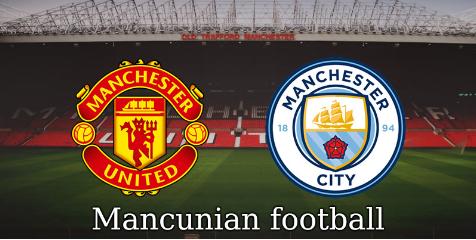
Later today there’s a final in Wembley (again Wembley, not the capital of English football), this time the big chance (first in 55 years) to play the Euro final and maybe even win the whole tournament.
Our government is well aware of the coming COVID-19 crisis and likely imminent lock-downs/circuit-breakers, but to intoxicate the public with nationalism and a sentiment of national pride things are being opened up prematurely and the public is told that being reckless is OK. No need for masks, distancing etc. As if some dodgy firm administrating some (still experimental) doses will magically solve everything.
RMS, who is as pro-vaccination as I am, has just said: “Indonesia has been using Chinese vaccine, and it’s better than nothing, but a substantial number of medical personnel have caught Covid-19 anyway and cannot work.”
Our government keeps promoting a false sense of security; people are led to think or believe that vaccination alone — no matter whose — makes one invulnerable. This is clearly not the case. While vaccination certainly helps it does not mean that we can act as if COVID-19 is a thing of the past. Winning in football is nice and all, but packing up a stadium with fans sends the wrong message about public safety.


 AST week I wrote about

 ust over 3 weeks ago we went into lock-down again (personal decision), seeing the non-linear growth in the number of COVID-19 cases, not to mention how the government had (re)opened lots of non-essential things — all this while
  am not against vaccination, I am definitely a strong proponent of vaccines, and am vaccinated almost since birth, myself (all the typical vaccines). But I also recognise the importance of making informed decisions where choices do exist and a word of caution is warranted. Self-censorship rarely makes society safer and we can develop herd immunity to misinformation, we should not be resistant to humble stories of real people.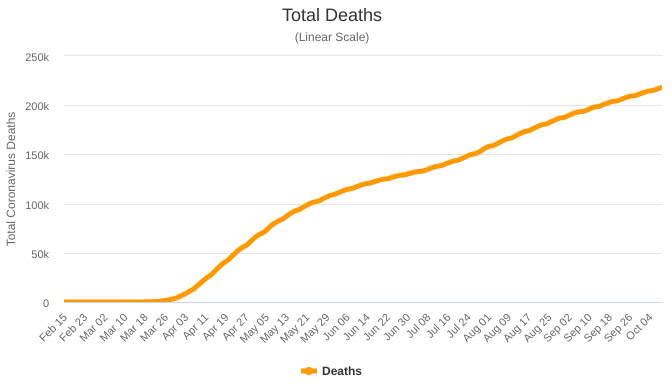


 or the past two weeks if not longer we’ve sort of looked forward to some stores reopening. After about 80 days of lock-down some things in the house were broken and probably needed replacing. I expected the city to be packed with people and stores to have loads of discounts (sales). How wrong was I…